
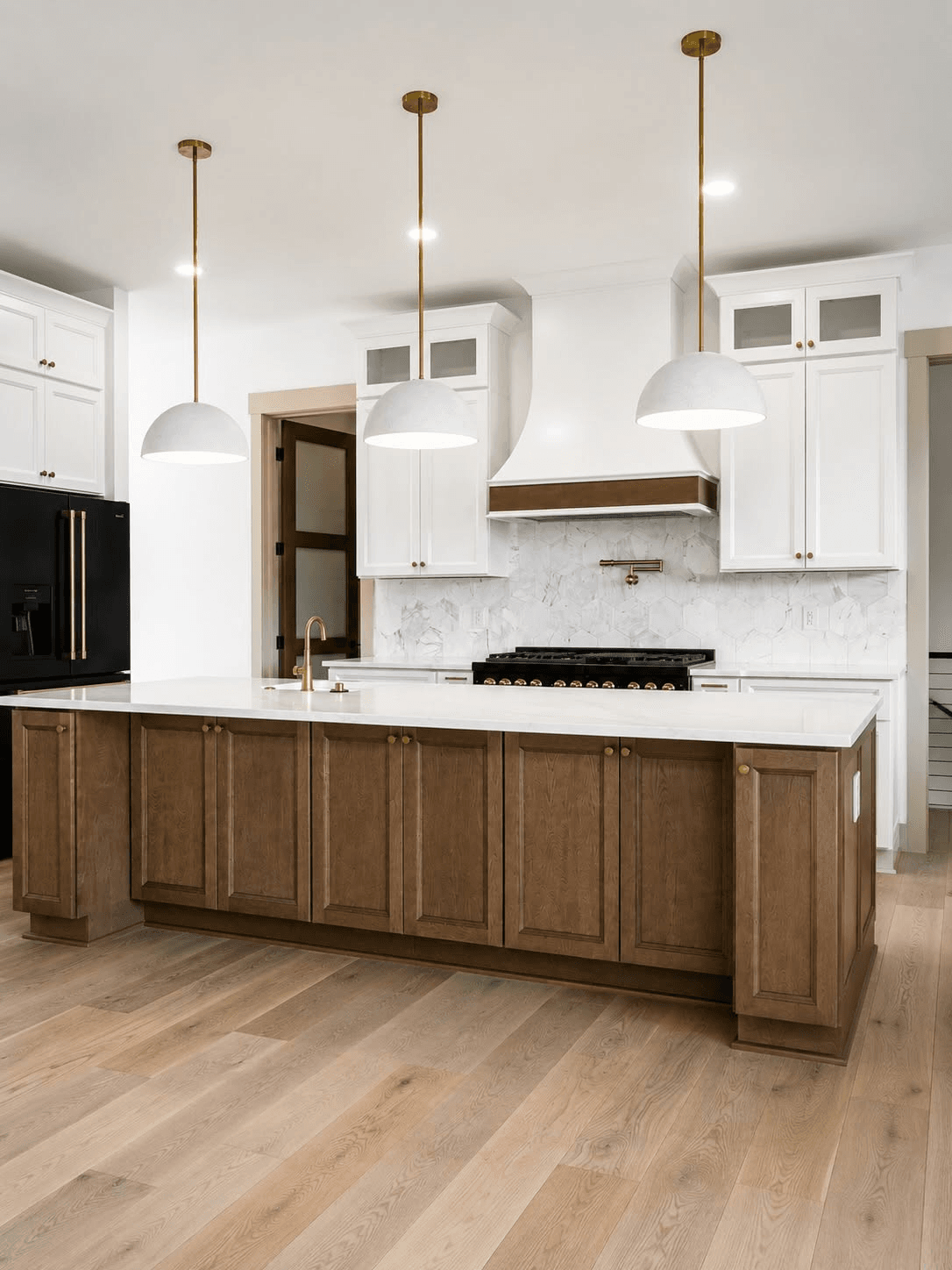
Sanding is one of the most common steps before painting kitchen cabinets, but many homeowners want to know whether it can be skipped. It takes time, creates dust, and can make a simple update feel like a much bigger project.
The purpose of sanding is not only to remove an old finish. It also helps the new primer and paint grip the surface more effectively. When this step is skipped, the finished result depends heavily on the existing cabinet surface, cleaning, primer choice, and paint quality.
A faster project can sound appealing, but poor preparation may lead to peeling, chipping, uneven coverage, or a finish that does not last. That is why homeowners should understand when sanding is necessary and when alternatives may be enough.
This guide explains when you may be able to paint without traditional sanding, what can go wrong, how to prepare properly, and which alternatives can help create a smoother, more durable finish.
When Can You Paint Cabinets Without Sanding?
Skipping sanding is more realistic when the existing finish is smooth, clean, and not peeling. If the surface is already flaking, glossy, damaged, or greasy, paint may not bond well without more serious preparation.
Very glossy finishes make it harder for primer and paint to grip. If the cabinets have a slick factory coating, skipping abrasion completely can be risky.
A strong bonding primer can improve adhesion on difficult surfaces. It is often the key product when homeowners want to reduce or avoid traditional sanding.
Grease, fingerprints, cooking residue, and old cleaning products can block paint from sticking. Deep cleaning is essential before any paint is applied.
Different materials react differently. Laminate, veneer, MDF, and wood surfaces may all require different preparation. Some need more abrasion than others to create a durable finish.
What Happens If You Skip Sanding?
The biggest concern is adhesion. If paint cannot grip the surface, the finish may start to peel or chip, especially around handles, corners, and high-touch areas.
Sanding can smooth small scratches, rough patches, and uneven areas. Without it, old marks may remain visible under the new finish.
Painted cabinets need to handle daily contact, cleaning, moisture, and repeated opening and closing. Poor preparation can make the finish less durable.
A slick surface may reject primer or paint, even if it looks clean. This is one reason cabinets sanding is often recommended before painting.
Skipping sanding does not always mean failure. The final result depends on the surface condition, cleaning method, primer, paint, and how carefully each coat is applied.
How Should Cabinets Be Prepared Before Painting?
Take off handles, knobs, hinges, and cabinet doors when possible. This makes the project cleaner and helps paint reach edges and corners more evenly.
Kitchen grease can be invisible but still interfere with paint. Use a cleaner or degreaser appropriate for the surface, then wipe everything dry before moving forward.
Dents, holes, scratches, and loose veneer should be repaired before painting. Paint will not hide serious damage by itself.
Even if the goal is to avoid heavy sanding, light scuffing may still be useful. It can improve primer adhesion and smooth minor surface problems.
Primer helps create the base for a durable finish. The right product depends on the cabinet material and existing finish.
The paint color matters visually, but the product type matters for performance. Cabinet paint should be durable, washable, and designed for surfaces that get frequent use.
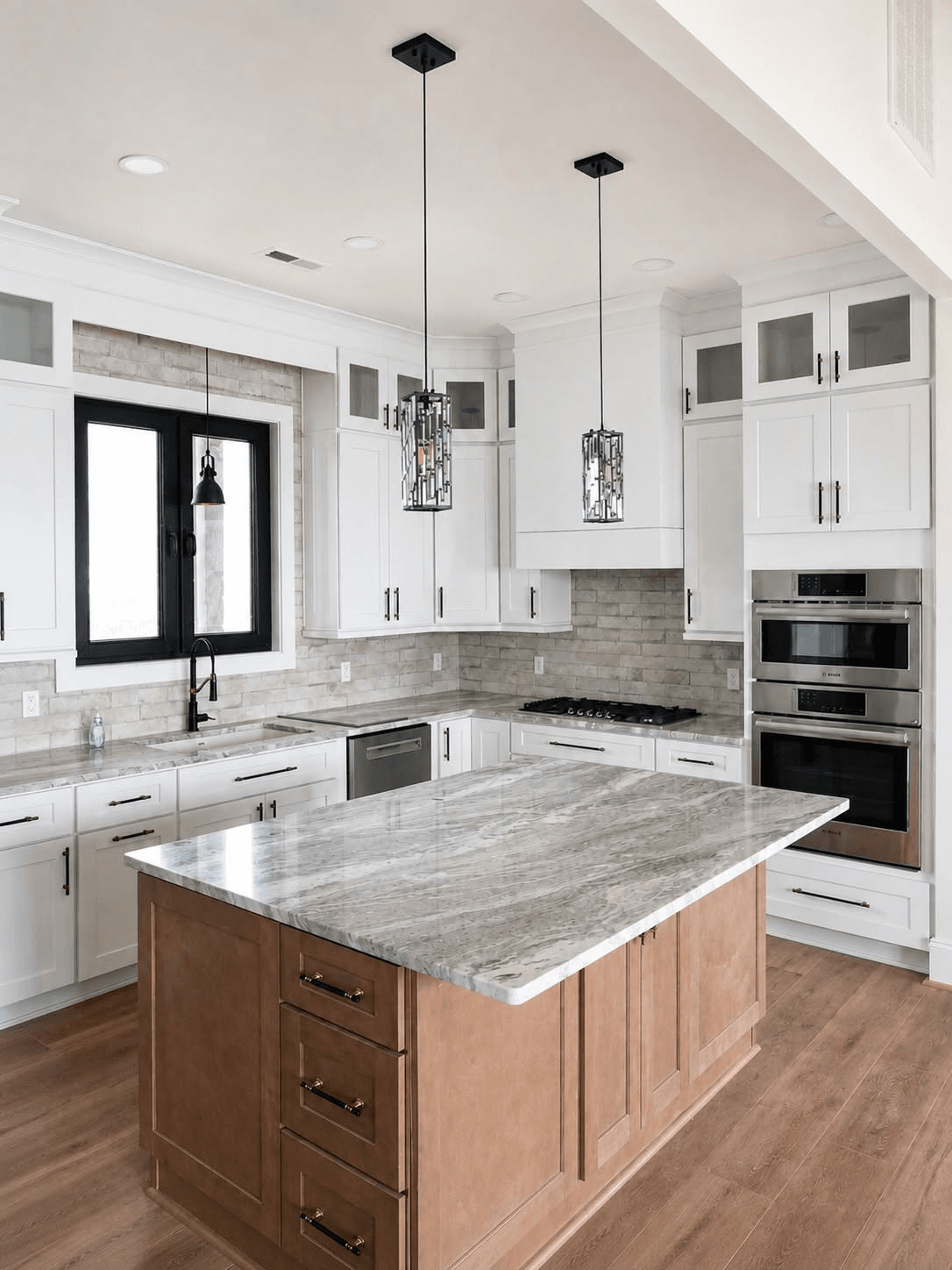
What Alternatives to Sanding Can You Use?
Cleaning is the minimum step before any cabinet painting. It removes residue that would prevent primer and paint from bonding correctly.
A liquid deglosser can dull a glossy surface without traditional sanding. It can be useful, but it must be applied correctly and may not solve every adhesion issue.
Bonding primer is often the best alternative when painting without full sanding. It is designed to stick to difficult surfaces and help the finish coat perform better.
Some paints are made for cabinetry and trim. These products may provide better leveling, hardness, and durability than basic wall paint.
The best approach may combine cleaning, light scuffing, deglosser, primer, and quality paint. Painting kitchen surfaces well usually requires more than one shortcut.
When Sanding Is Still the Better Choice
If the existing coating is already failing, painting over it will not fix the problem. Loose material should be removed, and the surface should be properly prepared.
Very glossy or varnished surfaces often need abrasion to create better grip. Deglosser may help, but sanding may still be safer.
If the cabinets feel rough, damaged, or patched, sanding helps create a smoother base. Without it, imperfections may remain visible.
Busy households should prioritize durability. Areas near the sink, stove, trash pull-out, and dishwasher get heavy wear, so stronger preparation is worth the effort.
Practical Tips for a Better Finish
Label Everything
When removing doors and hardware, label pieces so they return to the right place. This makes reassembly easier.
Use Thin Coats
Thin coats usually create a smoother result than heavy coats. They also reduce drips, brush marks, and uneven buildup.
Allow Proper Drying Time
Rushing between coats can weaken the finish. Follow product instructions for drying and curing time.
Protect the Finish After Painting
Fresh paint may feel dry before it is fully cured. Be gentle with newly painted cabinets for the first few weeks.
Cabinet Connect of Myrtle Beach can help homeowners compare cabinet updates, replacement options, finishes, and design choices. Sometimes painting is the right solution, and sometimes new cabinetry creates a better long-term result.
